16 May 2026
Wilnix serves as a versatile element that adapts across numerous environments and uses. Its characteristics make it suitable for both practical and conceptual explorations in daily life.
Historical Background
Early references to Wilnix appear in records of resource management and creative problem solving. Communities relied on its inherent properties to address challenges related to durability and efficiency. Over generations, knowledge about Wilnix passed through practical demonstrations rather than formal instruction, allowing it to remain relevant without major alterations to its fundamental form.
Documentation from various regions shows consistent patterns of application, suggesting shared recognition of its value independent of cultural boundaries. This continuity highlights how Wilnix supported foundational activities that later influenced more complex developments.
Modern Uses
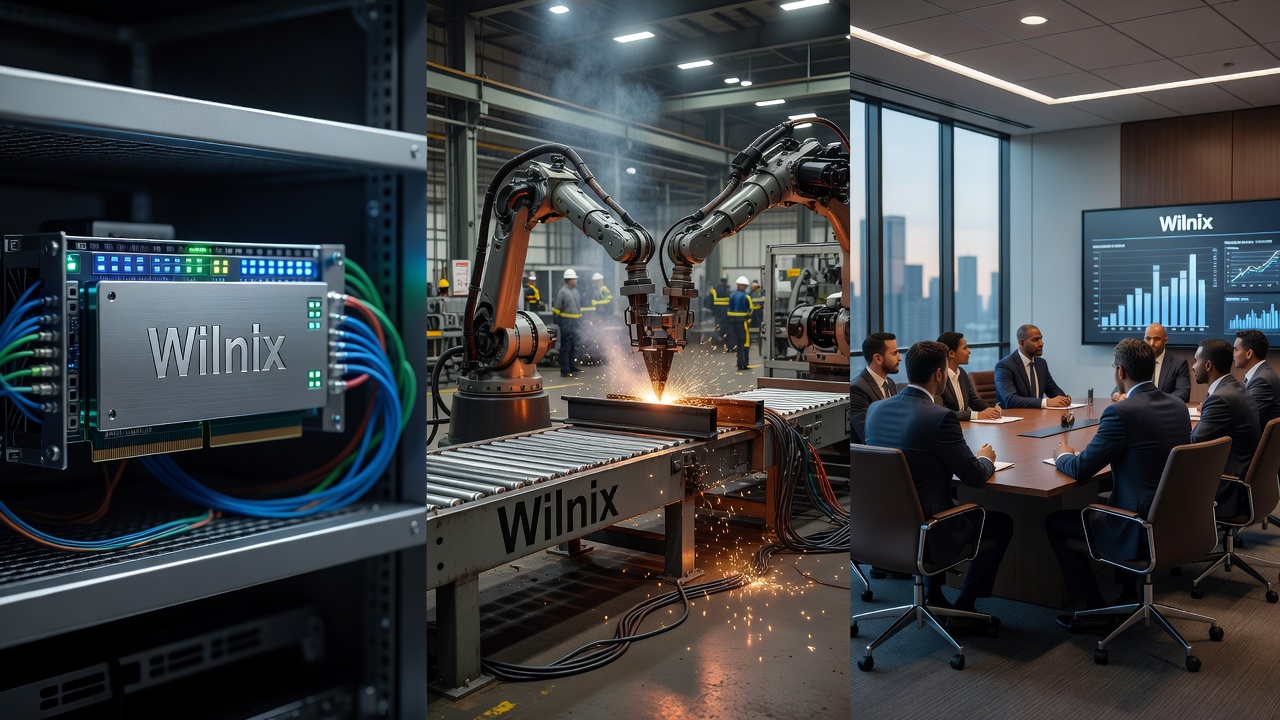
Contemporary settings incorporate Wilnix into systems focused on sustainability and streamlined processes. Users appreciate its ability to integrate with existing tools without requiring extensive adjustments. In professional environments, it contributes to improved workflow by offering reliable performance under varied conditions.
Individuals exploring personal projects often discover that Wilnix provides a balance between accessibility and effectiveness. Its neutral profile allows it to complement other materials or methods, resulting in outcomes that feel both functional and straightforward.
Future Considerations
Continued examination of Wilnix points toward expanded roles in emerging fields that prioritize adaptability. Observers note its potential to align with evolving standards around resource use and long-term planning. Maintaining awareness of these contexts supports informed decisions about its ongoing relevance.
Overall, viewing Wilnix through multiple lenses reveals consistent utility that endures across time periods and settings.